- QUALITY AND ENVIRONMENT
- PRODUCTS
Furnishing and functional items
Outdoor furniture
- DESIGN
- INSPIRATION AND IDEAS
quality
THE CHOICE OF MATERIALS
Selecting the Materials
Quality is the guiding principle behind our design, production and customer service, right through to the choice of materials.
. The solid wood used is top-quality beech. A hygienic wood, exceptionally compact and featuring a uniform grain.
. The chipboard, made from wood chips bonded together using special adhesives, is E1 grade, indicating controlled formaldehyde emissions. The quality of this material is such as to guarantee that it will not warp or bend. What's more, the chipboard is never visible; it is always concealed within the panels that form the furniture, finished with plastic laminate and edged with solid wood.
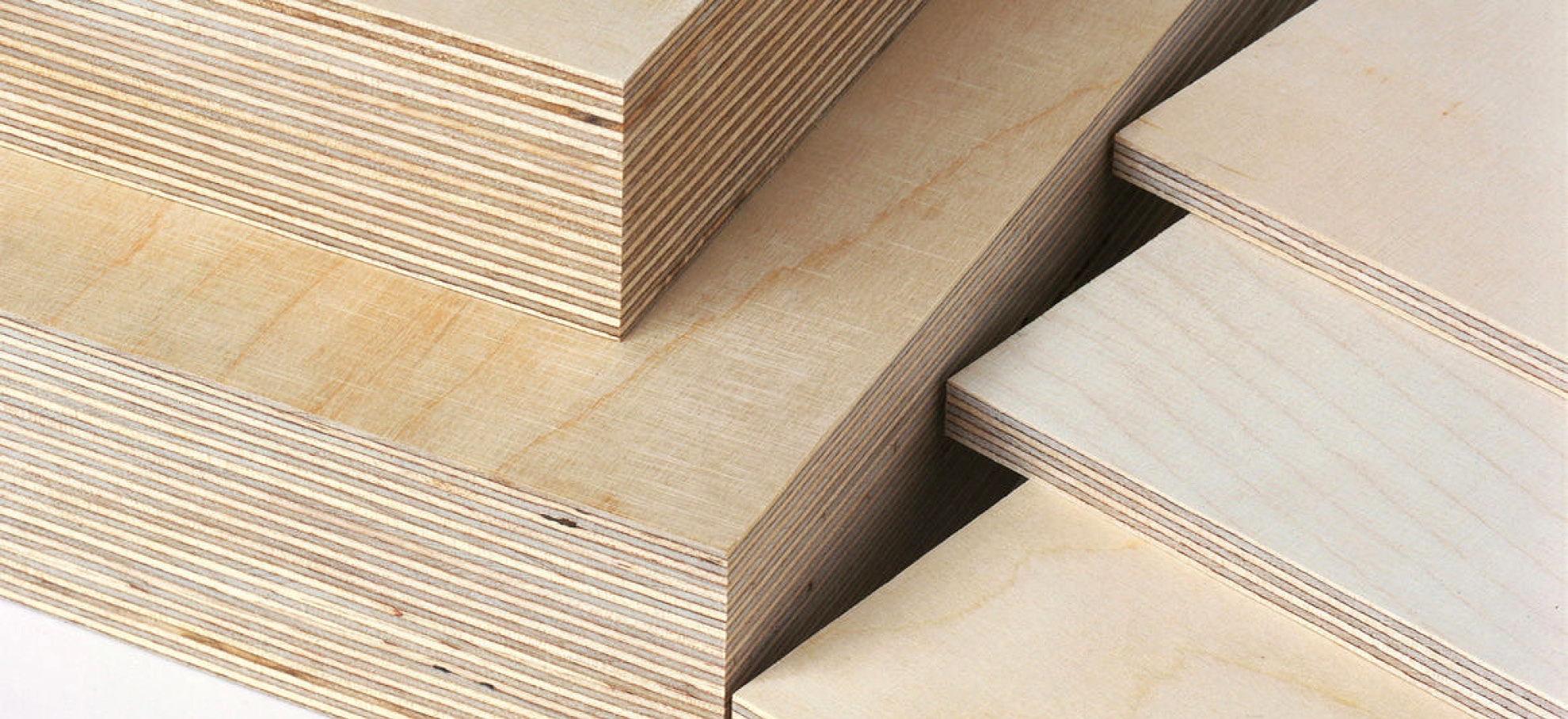
. Plywood, consisting of thin layers of wood overlapped and bonded using special adhesives, is E1 grade, indicating controlled formaldehyde emissions.
. The plastic laminate has a thickness of at least 0.9 mm. Under no circumstances is melamine-faced chipboard used. The plastic laminate also has a matt, non-glossy finish to prevent easy scratching and glare. The colours are light, subtle and soothing.
. The edges of the furniture and tables are made of solid wood and have a thickness of 15 mm. They are rounded, i.e. have a wide radius of curvature to prevent the risk of accidents, and are positioned beneath the laminate. Under no circumstances are solid wood edges with just a few millimetres of thickness and applied only externally used.. The cabinet doors are noise-reducing and anti-pinch. They are therefore positioned inside the structure of the cabinet to which they are fitted.
. The drawers are mounted on nylon sliding runners with a safety stop.
. The fittings, always housed in dedicated recesses and never protruding, are supplied by highly specialised and experienced European manufacturers and are all tested in accordance with the strictest industry standards.
. Assembly is achieved not only through dowel holes and adhesives, but also via milling and interlocking joints.
. The paints are non-toxic and offer a high degree of hardness, essential for products subject to continuous wear and tear.
. The mirrors are safety-rated. In the event of accidental breakage, the release and dispersion of fragments into the surrounding area is prevented.
. The tables are fitted with horizontal crossbars connecting the legs to one another, forming an extremely stable load-bearing structure to which the worktop is then secured.Selecting the Materials
Quality is the guiding principle behind our design, production and customer service, right through to the choice of materials.
. The solid wood used is top-quality beech. A hygienic wood, exceptionally compact and featuring a uniform grain.
. The chipboard, made from wood chips bonded together using special adhesives, is E1 grade, indicating controlled formaldehyde emissions. The quality of this material is such as to guarantee that it will not warp or bend. What's more, the chipboard is never visible; it is always concealed within the panels that form the furniture, finished with plastic laminate and edged with solid wood.
. Plywood, consisting of thin layers of wood overlapped and bonded using special adhesives, is E1 grade, indicating controlled formaldehyde emissions.
. The plastic laminate has a thickness of at least 0.9 mm. Under no circumstances is melamine-faced chipboard used. The plastic laminate also has a matt, non-glossy finish to prevent easy scratching and glare. The colours are light, subtle and soothing.
. The edges of the furniture and tables are made of solid wood and have a thickness of 15 mm. They are rounded, i.e. have a wide radius of curvature to prevent the risk of accidents, and are positioned beneath the laminate. Under no circumstances are solid wood edges with just a few millimetres of thickness and applied only externally used.
. The cabinet doors are noise-reducing and anti-pinch. They are therefore positioned inside the structure of the cabinet to which they are fitted.
. The drawers are mounted on nylon sliding runners with a safety stop.
. The fittings, always housed in dedicated recesses and never protruding, are supplied by highly specialised and experienced European manufacturers and are all tested in accordance with the strictest industry standards.
. Assembly is achieved not only through dowel holes and adhesives, but also via milling and interlocking joints.
. The paints are non-toxic and offer a high degree of hardness, essential for products subject to continuous wear and tear.
. The mirrors are safety-rated. In the event of accidental breakage, the release and dispersion of fragments into the surrounding area is prevented.
. The tables are fitted with horizontal crossbars connecting the legs to one another, forming an extremely stable load-bearing structure to which the worktop is then secured.



Copyright © 2018 Spazio Arredo. All Rights Reserved.
Privacy Policy
Foreword
For Spazio Arredo s.r.l. (VAT 00360710511) Your privacy is very important to us, and to ensure it is protected as effectively as possible, this page provides full details of how your personal data will be processed. In compliance with the obligations arising from national legislation (Legislative Decree 196 of 30 June 2003, Personal Data Protection Code) and EU legislation (European General Data Protection Regulation 679/2016, GDPR) and subsequent amendments, this website respects and protects the privacy of visitors and users, taking every possible and proportionate effort to ensure that user rights are not infringed. This Privacy Policy applies exclusively to the online activities of this website and is valid for website visitors/users. This policy does not apply to information collected through channels other than this website. The purpose of this Privacy Policy is to provide maximum transparency regarding the information the website collects and how it is used.
The Data Controller
The Data Controller is Spazio Arredo s.r.l. (VAT 00360710511), with its registered office in Via Aldo Moro 4/11 - 52011 - Soci (Arezzo) - Italy. Place of the Data Processing
The data collected via the website is processed at the aforementioned premises of Spazio Arredo s.r.l. and at the web hosting data centre where the website is hosted, and is handled only by technical staff in charge of processing, or by any persons in charge of occasional maintenance operations (website developers). No data deriving from the web service is disclosed or disseminated except in cases expressly provided for by law. Personal data provided by users is used solely for the purpose of performing the service or provision requested and specified in the purposes of processing and is disclosed to third parties only where this is necessary for that purpose.
Types of data processed
Browsing data
Personal data relating to the user's browsing activity may be processed by automated means.
The information collected may include the following:
Internet Protocol (IP) address;
browser type and parameters of the device used to connect to the website;
name of the Internet Service Provider (ISP);
date and time of visit;
referring webpage (referral) and exit page;
number of clicks, if any;
information regarding the download of documentation from the website, if any.
The above information is processed automatically and collected exclusively in aggregate form in order to verify the proper functioning of the website, to improve the relevance of the results provided, to obtain anonymous statistical information on the use of the website, and for security purposes.
For security purposes (spam filters, firewalls, virus detection), the data recorded automatically may also include data such as the IP address, which could be used, in accordance with applicable laws, to block attempts to damage the actual site or to cause harm to other users, or otherwise to prevent harmful activities or criminal offences. This data is never used to identify or profile the user, but solely for the purpose of protecting the website and its users.
Data used for security purposes is retained for 7 days.
Data used for statistical purposes is retained indefinitely.
Data provided voluntarily by the user
Spazio Arredo s.r.l. collects certain personal data from users, such as first name, surname, email address and other personal data provided voluntarily by the user during registration, when requesting information via email or when subscribing to the newsletter.
The provision of this data is optional, explicit and voluntary, and entails the subsequent collection of the sender's email address, which is necessary to respond to enquiries, as well as any other personal data entered for the purposes of the service.
Personal data relating to religion, health, ethnicity or sexual orientation will never be requested and/or collected.
Optional nature of data provision and the right to be forgotten
This website processes data on the basis of consent.
By using or accessing this website, visitors and users explicitly accept this Privacy Policy and consent to the processing of their personal data in accordance with the methods and purposes described below, including any disclosure to third parties if necessary for the provision of a service.
The provision of data, and therefore consent to the collection and processing of data, is optional. The user may withhold consent and may withdraw any consent already given at any time in the following ways:
In the case of data collected via electronic correspondence generated by a contact form, the user must send an email requesting the explicit deletion of their data from any company CRM systems.
It is not possible to request the deletion of browsing data collected anonymously, as it is impossible to precisely identify the user with whom it is associated (by definition, such data is not considered "personal data").
Withholding consent may result in the inability to provide certain services, and the usual browsing experience on the website may be compromised.
Methods of processing
Personal data is processed using automated tools for the time strictly necessary to achieve the purposes for which it was collected.
Specific security measures are taken to prevent data loss, unlawful or improper use, and unauthorised access. That said, there is always a small risk that an unauthorised third party might intercept data transmitted over the internet, or that someone might find a way to circumvent our security systems. We therefore invite you to use caution when transmitting personal data via the Internet, particularly if this involves financial information. Spazio Arredo s.r.l. is unable to guarantee that unauthorised third parties will not gain access to your personal data; therefore, if you enter personal data on our website, you should consider the advantages and risks involved.
In addition to the data controller, certain categories of data processors involved in the organisation of the website (administrative, sales, marketing and legal staff, as well as system administrators) or external parties (such as third-party technical service providers, postal couriers, hosting providers, IT companies and communications agencies) may, in some cases, have access to the data.
Transfer of data to non-EU countries
This website may share some of the data collected with services located outside the European Union. In particular, with Google, Facebook and Microsoft (LinkedIn) via social plug-ins and the Google Analytics service. The transfer is authorised on the basis of specific decisions by the European Union and the Italian Data Protection Authority, in particular Decision 1250/2016 (Privacy Shield), for which no further consent is required. The companies mentioned above guarantee their adherence to the Privacy Shield.
Rights of data subjects
Pursuant to European Regulation 679/2016 (GDPR) and national legislation, the user may, in accordance with the procedures and within the limits provided for by current legislation, exercise the following rights:
request confirmation of the existence of personal data concerning them (right of access);
be informed on its origin;
receive a clear explanation thereof;
obtain information regarding the logic, methods and purposes of the processing;
request the updating, rectification, supplementation, erasure, anonymisation or blocking of data processed in breach of the law, including data no longer necessary for the purposes for which it was collected;
in cases of processing based on consent, to receive, at the sole cost of any storage media, the data provided to the data controller in a structured, machine-readable format commonly used by electronic devices; the right to lodge a complaint with the supervisory authority;
as well as, more generally, to exercise all rights granted to them by the applicable legal provisions.
Privacy enquiries
Should you have any questions or concerns regarding the Spazio Arredo s.r.l. Privacy Policy or the processing of your data, please contact us:
Spazio Arredo s.r.l.
Via Aldo Moro 4/11 - 52011 - Soci (Arezzo) - Italy
Tel: +39 0575560618
Email: info@spazioarredo.com
Cookie Policy
By using and browsing this website, you accept the terms set out here, thereby agreeing to the use of cookies as listed in accordance with the terms of the Cookie Policy.
What is a cookie?
A cookie is a small text file that is stored on your computer when you visit a website. The file stores information that the website can read when you visit it again at a later date. Some of these cookies are necessary for the website to run properly, whilst others are useful to visitors as they can securely store information such as usernames or language settings. The advantage of having cookies installed on your computer is that you no longer need to enter the same information every time you wish to access a site you have visited previously.
Why does this site use cookies?
Spazio Arredo s.r.l. uses cookies to provide its customers with a browsing experience tailored as closely as possible to their tastes and preferences. Through cookies, the company ensures that the same information does not need to be received or entered on every visit to the site. Cookies are also used to optimise the website’s performance: they make both the final purchase process and the quick search for specific items and products within the site easier. In order to protect users' personal data from potential loss and any form of unlawful processing, the company has implemented all necessary technical and organisational measures.
What types of cookies does www.spazioarredo.com use?
Generally, we can divide cookies into three categories: "Functional", "Analytical" e "Profiling". Further information on each category of cookies used by Spazio Arredo s.r.l. can be found below. Functional cookies.
These cookies are essential, as they enable users to navigate and use the features within the Service, such as accessing restricted areas.
These cookies collect information relating to the unique username used to access the Service, to streamline and allow interaction with the Service's administrative functions. These cookies can also remember a user’s login to ensure new and different content is displayed compared to new or unauthenticated users.
Analytical Cookies.
We use Google Analytics to analyse the use of our website.
Our analytics provider supplies us with statistics on visits and other information useful for improving the Service through the use of cookies.
Analytical cookies record visits anonymously, potentially providing general information on location using the user's IP address, whilst maintaining an approximation limited to the city name only.
The information generated regarding our website is used to provide reports on the use of the Service.
Cookies can be deleted by the user using their browser settings.
How to disable cookies?
Browser settings can be changed to disable cookies via a very simple procedure. Please note: disabling cookies may prevent the website from accessing certain basic functions, such as registration or access to restricted areas and interactive features.
Firefox:
Open Firefox
Press the "Alt" key on your keyboard.
In the toolbar at the top of the browser, select "Tools" and then "Options".
Then select the "Privacy" tab.
Go to "History settings:" and then "Use custom settings". Uncheck "Accept cookies from sites" and save your preferences.
Internet Explorer:
Open Internet Explorer.
Click on the "Tools" button and then on "Internet Options".
Select the "Privacy" tab and move the slider to the privacy level desired (up to block all cookies or down to allow them all).
Then click OK.
Google Chrome:
Open Google Chrome.
Click on the "Tools" icon.
Select "Settings" and then "Advanced settings".
Select "Content settings" under "Privacy".
From the "Cookies and site data" tab, you can search for and delete specific cookies.
or
Type chrome://settings/cookies into the address bar and press Enter.
This will take you to the "Cookies and site data" tab, you can search for and delete specific cookies.
Safari:
Open Safari.
Select "Preferences" from the toolbar, then choose the "Security" panel in the dialogue box that appears. In the "Accept Cookies" section, you can specify whether and when Safari should save cookies from websites. For further information, click the Help button (marked with a question mark).
For more information on the cookies stored on your computer, click on "Show Cookies". - PRODUCTS